Adidas Men’s Black Slip-On Sneakers: Fit, Comfort, Care
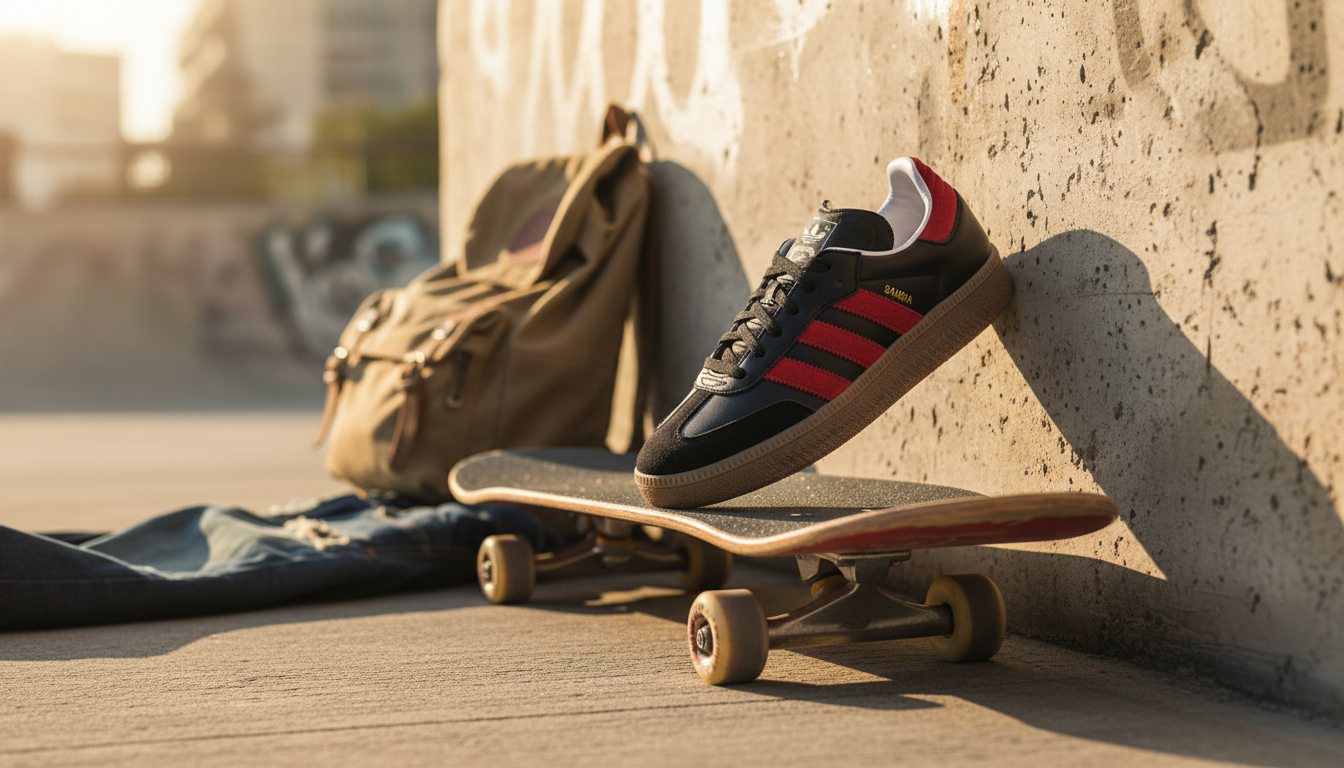
Adidas Men’s Black Slip-On Sneakers: Everyday Comfort With a Clean Look
Slip-on sneakers earn their place in a daily rotation when they nail three things at once: easy entry, dependable comfort, and a simple style that doesn’t fight the rest of your closet. A black pair is especially practical—less fuss, fewer visible scuffs, and a streamlined look that can move from errands to office-casual settings without feeling out of place. Below is a clear, shopper-friendly breakdown of what makes slip-ons so useful, what to prioritize for fit and support, and how to keep black slip-ons looking sharp.
What Makes Slip-On Sneakers a Reliable Daily Option
- Quick on/off convenience: Slip-ons are ideal for commuting, quick errands, and travel days when you want to get out the door fast.
- Smoother upper feel: With no laces or eyelets pressing down, many wearers find slip-ons reduce pressure points across the top of the foot.
- Everyday versatility: The clean silhouette pairs easily with jeans, joggers, and casual trousers.
- Best use cases: Light walking, campus days, office-casual environments, and weekend outings.
- When to choose a different shoe type: For longer runs, heavy training, or rugged trail surfaces, a purpose-built running or training shoe is usually the better call.
If you want additional guidance on general shoe-buying considerations (fit, support, and comfort checks), the American Podiatric Medical Association’s tips for buying shoes are a solid reference.
Spotlight: Adidas Men’s Black Slip-On Sneakers
For a low-maintenance daily sneaker, Adidas Men’s Black Slip-On Sneakers bring a classic advantage: a simple black colorway that blends into most outfits and stays looking cleaner between wipe-downs. Slip-on construction makes them a true grab-and-go option—easy to step into, then secure once they settle around the midfoot and heel.
- Clean black finish: Works with darker denim, joggers, and chinos, and hides minor dust better than light uppers.
- Fast entry: A practical choice when you’re in and out of the house or moving through airport security lines.
- Good for moderate daily mileage: A strong option for routine walking and casual wear (rather than performance running).
- Style tip: Darker socks (especially no-show or low-cut) keep the look seamless and help reduce visible lint contrast.
Fit and Sizing: Getting the Right Feel From Day One
Slip-ons depend on shape and tension—since you can’t “tighten” laces to lock things down, the initial fit matters more. Start with measurements and a short indoor wear test to avoid surprises later.
- Measure both feet in the afternoon: Feet often swell slightly during the day; fit to the larger foot.
- Toe space: Aim for about a thumb’s width in front of the longest toe; you should still be able to wiggle your toes.
- Midfoot feel: Slip-ons should feel snug at first, but never tight enough to cause numbness or tingling.
- If between sizes: Prioritize length first, then fine-tune volume with socks or an insole swap.
- Break-in reality: Minor snugness can ease; sharp instep pressure usually means the shape isn’t right.
Quick fit checklist for slip-on sneakers
| Fit area | What “right” feels like | Common issue | Simple fix |
|---|---|---|---|
| Toe box | Toes can wiggle; no rubbing on the top | Toes feel crowded | Try half-size up or a wider-friendly model |
| Midfoot/instep | Secure hold without pinching | Instep pressure | Thinner socks or a lower-volume insole |
| Heel | Minimal lift when walking | Heel slipping | Slightly thicker socks or a heel grip insert |
| Overall | Comfortable within 10–15 minutes indoors | Hot spots forming | Stop and reassess size/shape before outdoor wear |
For a quick reference on brand sizing, the official adidas size charts can help confirm length conversions and measurement steps.
Comfort and Support: What to Pay Attention To
- Cushioning: Look for enough underfoot softness for sidewalks without feeling unstable when you change direction.
- Outsole grip: Prioritize dependable traction for smooth indoor floors and typical pavement.
- Collar and heel padding: Helps reduce rubbing on longer walks and prevents irritation at the heel tab area.
- Breathability: Black sneakers are often worn year-round; airflow matters for comfort and odor control.
- Insole flexibility: Removable insoles make it easier to add orthotics or upgrade cushioning.
If daily walking is part of your routine, the CDC’s general walking guidance is a helpful reminder on building comfortable, consistent movement habits—especially when you’re choosing footwear for frequent wear.
Styling Ideas for Black Slip-Ons (Workday to Weekend)
Care and Cleaning: Keeping Black Slip-Ons Looking New
Alternatives to Consider From the Same Brand Family
- Adidas Men’s Grey Suede Sneakers for a softer texture that reads slightly more smart-casual (with a bit more cleaning care).
- Adidas Men’s White All-Season Sneakers for a brighter, crisp look that works across seasons (expect more frequent wipe-downs).
FAQ
Are slip-on sneakers good for walking all day?
They can be, as long as the fit is secure at the heel and midfoot and the cushioning matches your typical daily mileage. For very long days, prioritize stable soles and consider upgrading the insole for added support.
Should slip-on sneakers fit tighter than lace-up sneakers?
They usually need a slightly snugger midfoot feel to stay secure without laces, but they should never pinch at the instep or cause numbness. Toe room and heel stability still matter most.
How do you clean black slip-on sneakers without fading them?
Brush off dry dirt first, then wipe with mild soap and cool water using a soft cloth. Avoid bleach and skip high-heat drying to help preserve color and materials.








Leave a comment